



News - Page 12
- Details
As we head into the summer months and temperatures start rising, it’s important to remember that your pets are most vulnerable at this time to many injuries and illnesses which are brought on by hot weather, including sunburn, footpad burns, dehydration and the most dangerous of all, heatstroke. While heat stress is more common during the summer months, it can occur at any time throughout the year.

- Details
With restrictions on holidays abroad and ongoing updates to the quarantine list, many people are opting for a ‘staycation’ in the UK this year. If your summer plans involve a trip to one of our beautiful beaches and your dog is lucky enough to be joining you, here are some things to be mindful of:

- Details
Skin disease is quite common amongst pets, as up to 25% of small animal consultations relate to skin issues. Part of the reason why skin conditions are so common is that skin only reacts in certain ways despite many different causes. Don't forget, ears are lined with skin as well. Skin conditions cause irritation and pain, therefore understanding the cause means a quicker resolution.
- Details
Your feline friend can always be at risk of contracting parasites with them being ever-present in our environment. However, regularly providing them with tick, flea and worm treatment is the best way to protect them, your home and yourselves from infestation.
Read more: Tick, flea, and worm prevention for cats in Essex

- Details
With Easter just around the corner, our opening hours will vary from our usual times. Please see below our opening times over the Bank Holiday weekend.
- Details
Your beloved dog is at risk of contracting parasites as they are ever-present in our environment, but you can keep your pet safe by regularly providing them with tick, flea and worm treatment.
Read more: Tick, flea, and worm prevention for dogs in Essex
- Details
Do you have a tortoise? If so, it is recommended to have a worm count carried out on your tortoise twice a year.

- Details
When purchasing your rabbit, it is important to consider the amount of space they require carefully. The RSPCA advises that rabbits need the below as a minimum space requirement for two averaged sized rabbits. Of course, if you can provide more space, that is even better for your rabbit’s welfare.

- Details
Showing your pet that you love and care for them doesn’t have to be complicated. We have pulled together some simple ideas of ways to show your pet that you love them.
- Details
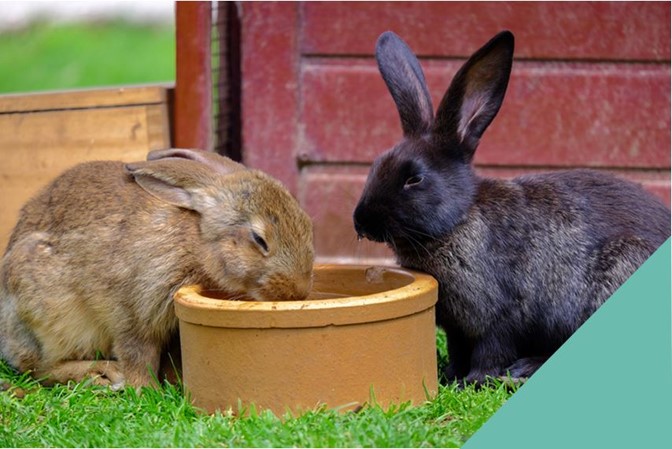
Unlike domestic dogs and cats, a rabbit's teeth never stop growing and can grow nearly 2mm a week. Wild rabbits adapt for this growth by chewing daily on coarse grass and other vegetation that helps to wear down the crowns of their teeth. Pet rabbits are not typically offered access to the same type of vegetation and often consume dry pellets as the bulk of their diet.
Page 12 of 36